
Over the years, carbohydrates have gotten a bad reputation. People often
associate them with weight gain, type 2 diabetes, and a variety of other
health conditions.
Yes, it’s true that processed foods high in sugar and refined grains
typically lack important vitamins and minerals. However, many nutrient dense, fiber-rich foods can actually be very good for you.
While low carb diets can be beneficial for some people, there’s no
reason to avoid high carb foods altogether.
Here are 12 high carb foods that are incredibly healthy.
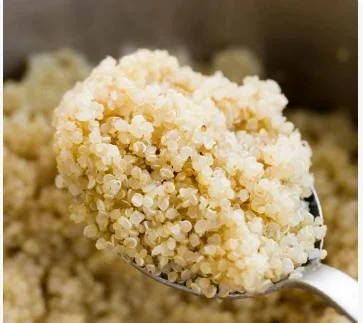
1. Quinoa
Quinoa is a nutritious seed that has become incredibly popular among
health-conscious consumers.
It’s classified as a pseudo cereal, which is a seed that’s prepared and
eaten like a grain.
Cooked quinoa contains 70% carbs, making it a high carb food.
However, it’s also a good source of protein and fiber .
Quinoa is rich in many minerals and plant compounds and has been
linked to a variety of health benefits, including improved blood sugar
management and heart health .
Additionally, it does not contain any gluten, which makes it a popular
alternative to wheat for those on a gluten-free diet.
Quinoa is also very filling since it’s relatively high in fiber and protein.
For this reason, it may help promote healthy weight management and
gut health .
SUMMARY
Quinoa is highly nutritious and may help improve blood sugar
management and support heart health. Quinoa is also high in protein and
fiber, so it may be useful for weight loss, as both of these nutrients can
help keep you feeling full for longer.
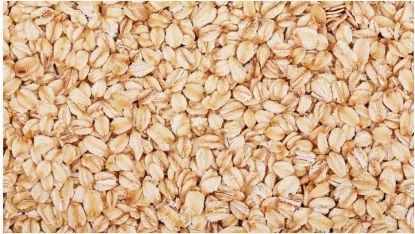
2. Oats
Oats are an incredibly healthy whole grain and a great source of many
vitamins, minerals, and antioxidants.
Raw oats contain 70% carbs. A 1-cup (81-gram) serving contains 54
grams of carbs, including 8 grams of fiber. They are particularly high in
a specific type of fiber called oat beta glucan .Oats are also a relatively
good source of protein and contain more protein than most grains .
Research suggests that eating oats may reduce your risk of heart disease
by lowering your cholesterol levels.
Eating oats may also lower blood sugar levels, especially in people with
type 2 diabetes .
Furthermore, oats are very filling, which could help support healthy
weight management .
SUMMARY
Oats contain many beneficial nutrients, including fiber and protein.
Studies have also shown that eating oats lowers blood sugar and
cholesterol levels.
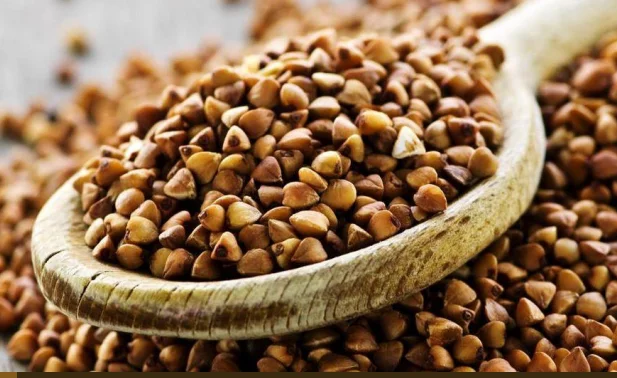
3. Buckwheat
Like quinoa, buckwheat is considered a pseudo cereal. Despite its name,
buckwheat is not related to wheat and does not contain gluten.
Raw buckwheat contains 75 grams of carbs, while cooked buckwheat
groats contain about 19.9 grams of carbs per 100-gram serving .
Buckwheat is very nutritious, containing both protein and fiber. It also
has more minerals and antioxidants than many other grains.
Additionally, studies in humans and animals suggest that it may be
particularly beneficial for heart health and blood sugar regulation .
SUMMARY
Buckwheat is highly nutritious and contains more antioxidants and
minerals than many grains. Buckwheat isn’t related to wheat and doesn’t
contain gluten. Eating it may benefit your heart health and blood sugar
regulation.
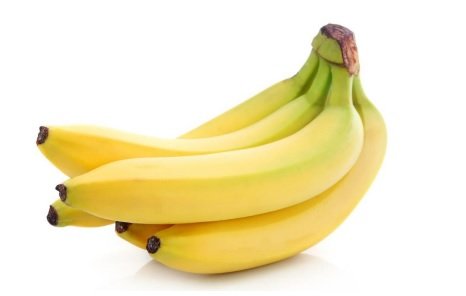
4. Bananas
Bananas are a popular fruit people love to use in many different recipes.
One large banana (136 grams) contains about 31 grams of carbs, either
in the form of starches or sugars .
Bananas are also high in potassium and vitamins B6 and C, and they
contain several beneficial plant compounds .
Thanks to their high content of potassium, bananas may help lower
blood pressure and improve heart health .
Unripe, green bananas are higher in starch. This transforms into natural
sugars as the bananas ripen, turning yellow in the process. Thus, you’ll
tend to get more starch and less sugar if you eat your bananas when
they’re less ripe .
Unripe and less ripe bananas also contain decent amounts of resistant
starch and pectin, both of which support digestive health and provide
fuel for the beneficial bacteria in your gut .
SUMMARY
Bananas are high in potassium, a mineral that plays a key role in
regulating blood pressure. Less ripe bananas also contain resistant starch
and pectin, both of which can improve digestive health.
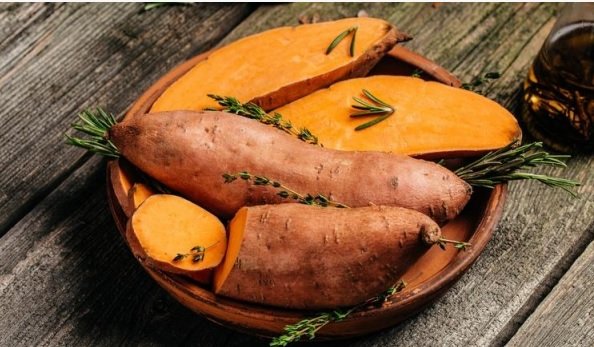
5. Sweet potatoes
Sweet potatoes are a delicious, nutritious tuber or root vegetable.
One-half cup (100 grams) of mashed, cooked sweet potatoes with their
skin on contains about 20.7 grams of carbs, which consists of starch,
sugar, and fiber .
Sweet potatoes are also a rich source of vitamin A, vitamin C, and
potassium .
What’s more, they’re packed with antioxidants, which are compounds
that help neutralize harmful free radicals in your cells to protect you
against chronic disease .
SUMMARY
Sweet potatoes are an excellent source of vitamin A, along with several
other vitamins, minerals, and antioxidants.
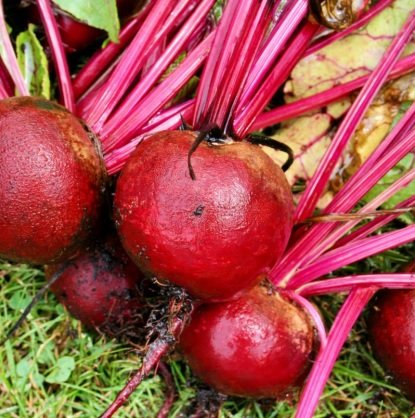
6. Beets
Beets are a purple root vegetable that people sometimes refer to as
beetroots.
While they aren’t considered high in carbs overall, they do have a lot for
a non-starchy vegetable. Raw and cooked beets contain about 10 grams
of carbs per 100 grams, mainly from sugar and fiber .They’re also
packed with vitamins and minerals, along with powerful antioxidants
and plant compounds .
Beets are also high in inorganic nitrates, which are converted into nitric
oxide in your body. Nitric oxide lowers blood pressure and may
decrease the risk of several diseases .
Beet juice is also very high in nitrates, and athletes sometimes use it to
enhance their physical performance .That’s because nitric oxide relaxes
your blood vessels, allowing oxygen to flow more efficiently during
exercise.
SUMMARY
Beets are loaded with vitamins, minerals, and plant compounds. They
also contain high amounts of inorganic nitrates, which can improve heart
health and boost physical performance.
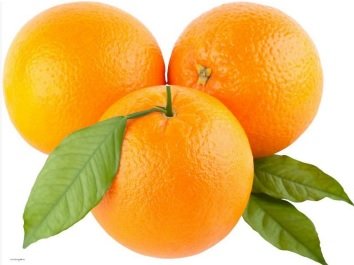
7. Oranges
Oranges are a popular type of citrus fruit.
They’re mainly composed of water and made up of about 15.5 grams of
carbs per 100-gram serving. Oranges are also a good source of fiber .
Oranges are especially rich in vitamin C, potassium, and some B
vitamins. In addition, they contain citric acid, as well as several potent
plant compounds and antioxidants .
Eating oranges may improve heart health and help prevent kidney
stones. They may also increase the absorption of iron from other foods
you eat, which may help protect against iron deficiency anemia .
SUMMARY
Oranges are a good source of fiber. They also contain high amounts of
vitamin C and other healthy plant compounds. Eating oranges may
benefit heart health and increase iron absorption to help prevent anemia.

8. Blueberries
frequently marketed as a superfood due to their rich content of
antioxidants.
They consist mostly of water, as well as about 14.5 grams of
carbs per 100 grams .
Blueberries also contain high amounts of many vitamins and
minerals, including vitamin C, vitamin K, and manganese .
Studies have shown that blueberries are a good source of
antioxidant compounds, which can help protect your body against
damaging free radicals. Studies suggest that eating blueberries
may even improve memory in older adults .
SUMMARY
Blueberries are very healthy. They contain many vitamins,
minerals, and antioxidants, and they can help protect against
oxidative damage.
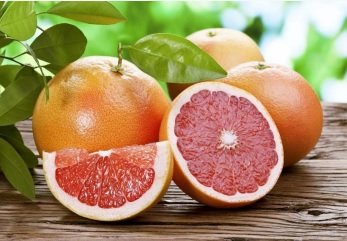
9. Grapefruit
Grapefruit is a citrus fruit with a sweet, sour, and bitter flavor.
It contains about 8% carbs and is rich in a variety of vitamins,
minerals, and antioxidants .
According to some human and animal studies, grapefruit could
enhance heart health and improve blood sugar management .
Furthermore, other research suggests that certain compounds
found in grapefruit could help prevent kidney stones, lower
cholesterol levels, and even potentially slow the growth and
spread of cancer cells .
However, scientists need to do more studies on the effects of
grapefruit in humans.
SUMMARY
Grapefruit contains many beneficial vitamins, minerals, and
antioxidants. It may provide numerous health benefits.
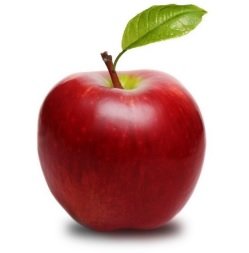
10. Apples
Apples are well known for their sweet, tart flavor and crisp texture.
They’re available in many colors, sizes, and flavors, all of which
generally contain about 14–16 grams of carbs per 100 grams .
Apples also boast many vitamins and minerals, but usually only in
small amounts.
However, they are a good source of vitamin C, antioxidants, and
fiber .
Apples may also offer several health benefits, including improved
blood sugar management and heart health .Early research
suggests that adding apples to your diet may even be associated
with a reduced risk of certain types of cancer. However, more
research is needed .
SUMMARY
Apples contain a decent amount of vitamin C, antioxidants, and
plant compounds. Eating apples may improve blood sugar
management, as well as reduce the risk of heart disease and
potentially even certain types of cancer.
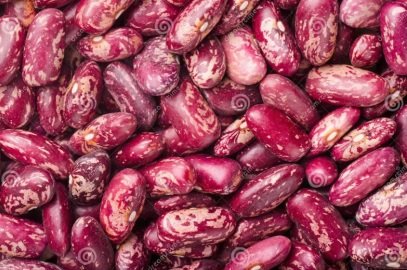
11. Kidney beans
Kidney beans are a member of the legume family and a variety of
the common bean.
Cooked kidney beans contain about 21.5 grams of carbs per 100
grams, in the form of starches and fiber. This legume is also high
in protein .
Kidney beans are a good source of many vitamins, minerals, and
plant compounds. They’re also rich in antioxidant compounds,
including anthocyanins and isoflavones .
Their numerous health benefits include improved blood sugar
regulation and a reduced risk of colon cancer .
SUMMARY
Kidney beans contain many vitamins, minerals, and
antioxidants. Cooked kidney beans are also a good source
of protein and have been linked to several health benefits.

12. Chickpeas
Also known as garbanzo beans, chickpeas are part of the legume
family.
Cooked chickpeas contain 27.4 grams of carbs per 100-gram
serving, along with almost 8 grams of fiber. They’re also a good
source of plant-based protein.
Chickpeas contain many vitamins and minerals, including iron,
phosphorus, and B vitamins .
Not only have chickpeas been linked to improved heart and
digestive health, but some test-tube studies suggest they may
also help protect against certain types of cancer. More research in
humans is needed, however .
SUMMARY
Chickpeas are an excellent source of plant-based protein and
contain many vitamins and minerals. Eating chickpeas has been
linked to benefits for heart and digestive health, as well as
potential cancer prevention.
The bottom line
It’s a myth that all carbs are unhealthy. In fact, many of the
healthiest foods are high in carbohydrates.
That said, you shouldn’t eat carbs in large amounts if you’re on a
low carb diet. In addition, refined carbs, such as white bread and
pasta, may be unhealthy in high amounts.
However, you can enjoy these nutritious, delicious carbs as part
of a healthy, whole-foods diet.
References : www.healthline.com/nutrition
Medically reviewed by Sade Meeks, MS, RD — Written by Add a Bjarnadottir, MS, RDN (Ice) and Rachael
Ajmera, MS, RD — Updated on November 1, 2021