
Overview
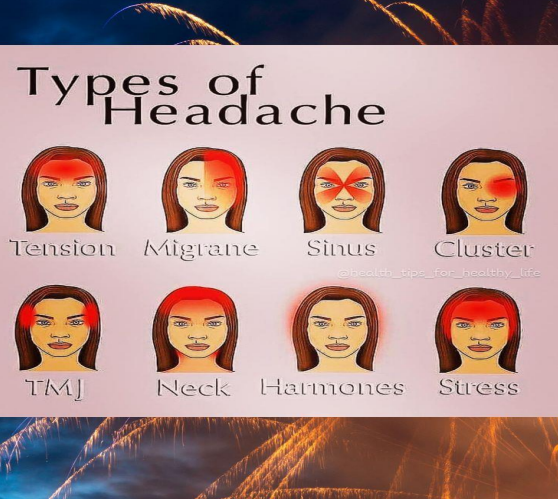
A tension-type headache causes mild to moderate pain that’s often described as feeling like a tight band around the head. A tension-type headache is the most common type of headache, yet its causes aren’t well understood.
Treatments are available. Managing a tension-type headache is often a balance between practicing healthy habits, finding effective nonmedicine treatments and using medicines appropriately.

SymptomS
Symptoms of a tension-type headache include:
– Dull, aching head pain.
– Feeling of tightness or pressure across the forehead or on the sides and back of the head.
– Tenderness in the scalp, neck and shoulder muscles.
Tension-type headaches are divided into two main categories — episodic and chronic.
Episodic tension-type headaches
Episodic tension-type headaches can last from 30 minutes to a week. Frequent episodic tension-type headaches occur less than 15 days a month for at least three months. This type of headache can become chronic.
Chronic tension-type headaches
This type of tension-type headache lasts hours and may be constant. Chronic tension-type headaches occur 15 or more days a month for at least three months.
Tension-type headaches versus migraines
Tension-type headaches can be hard to tell apart from migraines. And if you have frequent episodic tension-type headaches, you also can have migraines.
But unlike some forms of migraine, tension-type headaches usually aren’t associated with visual disturbances such as seeing bright spots or flashes of light. People with tension-type headaches also don’t usually experience nausea or vomiting with head pain. While physical activity tends to make migraine pain worse, it doesn’t affect tension type headache pain. Sometimes a tension-type headache occurs with sensitivity to light or sound, but this symptom isn’t common.

When to see a doctor
Make an appointment with a health care professional
See your health care professional if you need to take medicine for tension-type headaches more than twice a week. Also make an appointment if tension-type headaches disrupt your life.
Even if you have a history of headaches, see your health care professional if the headache pattern changes. Also see your care professional if your headaches suddenly feel different.
Occasionally, headaches may be caused by a serious medical condition. These can include a brain tumor or rupture of a weakened blood vessel, known as an aneurysm.
When to seek emergency help
Get emergency care if you have any of these symptoms:
– A sudden, very bad headache.
– Headache with a fever, stiff neck, mental confusion, seizures, double vision, weakness, numbness or trouble speaking.
– Headache after a head injury, especially if the headache gets worse

.
Causes
The cause of tension-type headaches is not known. In the past, experts thought tension-type headaches were caused by muscle contractions in the face, neck and scalp. They thought the muscle contractions were a result of emotions, tension or stress. But research suggests that muscle contraction isn’t the cause.
The most common theory is that people who have tension-type headaches have increased sensitivity to pain. Muscle tenderness, a common symptom of tension-type headaches, may result from this sensitized pain system.
Triggers
Stress is the most commonly reported trigger for tension-type headaches.
Risk factors
Most people experience a tension-type headache at some point in their lives. However, some research has found that women are more likely to have frequent episodic tension-type headaches and chronic tension-type headaches. Age also might play a factor.
One study found that episodic tension-type headaches were more likely to affect people in their 40s.
Complications
Because tension-type headaches are so common, they can have an effect on job productivity and quality of life, particularly if they’re chronic. Frequent headache pain may make it hard to attend activities. You might need to stay home from work. If you
do go to your job, it may be hard to function as usual.
Prevention
Regular exercise can help prevent tension-type headaches. Other
techniques also can help, such as:
– Biofeedback training. This training teaches you to control certain body responses that help reduce pain. A device monitors and gives you feedback on your muscle tension,
heart rate and blood pressure. You then learn how to reduce muscle tension and slow your heart rate and breathing.
– Cognitive behavioral therapy. This type of talk therapy may help you learn to manage stress. Doing this may help you have fewer or less painful headaches.
– Other relaxation techniques. Anything that helps you relax may help your headaches. This can include deep breathing, yoga, meditation and progressive muscle relaxation. You can learn these methods in classes or at home using books or apps.
Using medicines along with stress management may be more effective than any one treatment in reducing your tension-type headaches.
Also, living a healthy lifestyle may help prevent headaches:
– Get enough, but not too much, sleep.
– Don’t smoke.
– Stay physically active.
– Eat regular, balanced meals.
– Drink plenty of water.
– Limit alcohol, caffeine and sugar.
REFRENCES:WWW.MAYOCLINIC.ORG/DISEASES-CONDITION