A tension-type headache causes mild to moderate pain that’s often described as feeling like a tight band around the head. A tension-type headache is the most common type of headache, yet its causes aren’t well understood.
Treatments are available. Managing a tension-type headache is often a balance between practicing healthy habits, finding effective nonmedicine treatments and using medicines appropriately.
SymptomS Symptoms of a tension-type headache include:
– Dull, aching head pain. – Feeling of tightness or pressure across the forehead or on the sides and back of the head. – Tenderness in the scalp, neck and shoulder muscles. Tension-type headaches are divided into two main categories — episodic and chronic.
Episodic tension-type headaches Episodic tension-type headaches can last from 30 minutes to a week. Frequent episodic tension-type headaches occur less than 15 days a month for at least three months. This type of headache can become chronic.
Chronic tension-type headaches This type of tension-type headache lasts hours and may be constant. Chronic tension-type headaches occur 15 or more days a month for at least three months.
Tension-type headaches versus migraines Tension-type headaches can be hard to tell apart from migraines. And if you have frequent episodic tension-type headaches, you also can have migraines.
But unlike some forms of migraine, tension-type headaches usually aren’t associated with visual disturbances such as seeing bright spots or flashes of light. People with tension-type headaches also don’t usually experience nausea or vomiting with head pain. While physical activity tends to make migraine pain worse, it doesn’t affect tension type headache pain. Sometimes a tension-type headache occurs with sensitivity to light or sound, but this symptom isn’t common.
When to see a doctor
Make an appointment with a health care professional See your health care professional if you need to take medicine for tension-type headaches more than twice a week. Also make an appointment if tension-type headaches disrupt your life. Even if you have a history of headaches, see your health care professional if the headache pattern changes. Also see your care professional if your headaches suddenly feel different. Occasionally, headaches may be caused by a serious medical condition. These can include a brain tumor or rupture of a weakened blood vessel, known as an aneurysm.
When to seek emergency help
Get emergency care if you have any of these symptoms:
– A sudden, very bad headache. – Headache with a fever, stiff neck, mental confusion, seizures, double vision, weakness, numbness or trouble speaking. – Headache after a head injury, especially if the headache gets worse
.
Causes The cause of tension-type headaches is not known. In the past, experts thought tension-type headaches were caused by muscle contractions in the face, neck and scalp. They thought the muscle contractions were a result of emotions, tension or stress. But research suggests that muscle contraction isn’t the cause. The most common theory is that people who have tension-type headaches have increased sensitivity to pain. Muscle tenderness, a common symptom of tension-type headaches, may result from this sensitized pain system.
Triggers Stress is the most commonly reported trigger for tension-type headaches.
Risk factors Most people experience a tension-type headache at some point in their lives. However, some research has found that women are more likely to have frequent episodic tension-type headaches and chronic tension-type headaches. Age also might play a factor. One study found that episodic tension-type headaches were more likely to affect people in their 40s.
Complications Because tension-type headaches are so common, they can have an effect on job productivity and quality of life, particularly if they’re chronic. Frequent headache pain may make it hard to attend activities. You might need to stay home from work. If you do go to your job, it may be hard to function as usual.
Prevention Regular exercise can help prevent tension-type headaches. Other techniques also can help, such as:
– Biofeedback training. This training teaches you to control certain body responses that help reduce pain. A device monitors and gives you feedback on your muscle tension, heart rate and blood pressure. You then learn how to reduce muscle tension and slow your heart rate and breathing. – Cognitive behavioral therapy. This type of talk therapy may help you learn to manage stress. Doing this may help you have fewer or less painful headaches. – Other relaxation techniques. Anything that helps you relax may help your headaches. This can include deep breathing, yoga, meditation and progressive muscle relaxation. You can learn these methods in classes or at home using books or apps.
Using medicines along with stress management may be more effective than any one treatment in reducing your tension-type headaches.
Also, living a healthy lifestyle may help prevent headaches:
– Get enough, but not too much, sleep. – Don’t smoke. – Stay physically active. – Eat regular, balanced meals. – Drink plenty of water. – Limit alcohol, caffeine and sugar.
If you have diabetes, you might be focused on maintaining a healthy diet while practicing social distancing or self-quarantine. Stocking up on non-perishable items can help reduce shopping trips and ensure you have the necessary ingredients for nutritious meals. Many frozen or shelf-stable foods have minimal effects on blood sugar levels, and you might already have some in your pantry or freezer. Here are 18 excellent non-perishable options for those managing diabetes:
1. Dried or Canned Chickpeas Chickpeas are versatile and rich in fiber, protein, and healthy fats, which help control blood sugar despite their carbohydrate content. Use them in hummus, falafels, soups, or salads. Stored properly, dried chickpeas can last up to 3 years.
2. Canned Tomatoes Ideal for soups and stews, canned tomatoes are low in carbs and high in antioxidants like lycopene, supporting heart health. They remain usable for several years.
3. Peanut Butter A cost-effective source of protein, fat, and fiber, peanut butter makes snacks more filling. Pair it with toast, smoothies, or as a dip. Opt for natural, unsweetened versions. Once opened, it lasts about a year.
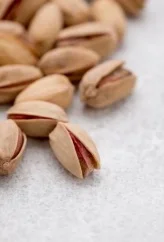
4. Pistachios These fiber-rich nuts are great for snacking and can add crunch to salads or breading for meats. They stay fresh for six months in the pantry and longer if refrigerated.
5. Canned Salmon Packed with omega-3 fatty acids and protein, canned salmon is beneficial for brain health and inflammation. It lasts about two years and can be used in salads or patties.
6. Seed Crackers Made from seeds like flax and chia, these crackers are high in healthy fats and fiber, reducing blood sugar impact. Pair them with cheese or peanut butter. They stay fresh for about a month if properly sealed.
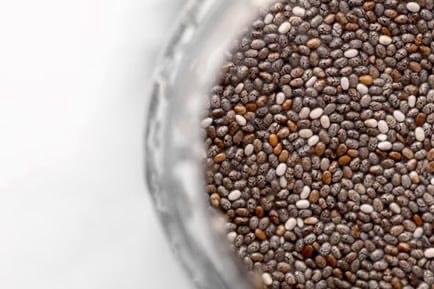
7. Chia Seeds High in soluble fiber, chia seeds support digestion and slow blood sugar spikes. Use them in salads, smoothies, or chia pudding. They last up to four years.
8. Frozen Berries Berries are low in sugar and rich in fiber and antioxidants. They’re great in smoothies or baked goods and last about a year in the freezer.
9. Frozen Cauliflower This low-carb veggie can substitute for rice or pasta. It lasts a year in the freezer but should be checked for freezer burn.
10. Quinoa Higher in protein and fiber than brown rice, quinoa helps manage blood sugar. Store it in a sealed container for up to a year.
11. Canned Mushrooms These fiber-rich mushrooms add nutrients to various dishes and contain antioxidants. They last about two years.
12. Canned or Frozen Spinach Low in carbs and calories, spinach is perfect for boosting fiber and vitamins. Canned spinach lasts up to four years, while frozen keeps for one year.
13. Canned Chicken Fully cooked and high in protein, canned chicken is convenient for salads, soups, and casseroles. It remains fresh for up to four years.
14. Dark Chocolate Dark chocolate with high cocoa content has less added sugar and is rich in fiber and healthy fats. It lasts about four months in the pantry or longer when frozen.
15. High-Protein Pasta Made from legumes, this pasta offers more fiber and protein than wheat-based varieties, making it a better choice for managing diabetes. It stays good for about six months.
16. Protein Powder Low in carbs and convenient, protein powder (whey or plant-based) can enhance smoothies or desserts. It lasts about a year when stored in a cool, dry place.
17. Shelf-Stable Milk Whether dairy or unsweetened plant-based, shelf-stable milk is versatile for smoothies or baking. Unopened, it lasts for months but should be refrigerated after opening.
18. Olive Oil Rich in anti-inflammatory compounds, olive oil helps regulate blood sugar. Although high in calories, it’s carb-free and great for cooking or dressings.
Meal Planning Tips Maintaining stable blood sugar is crucial for diabetes management. Since carbohydrates impact blood sugar more than proteins or fats, aim to balance your carb intake consistently. Consult a healthcare professional to determine your specific needs, and always pair carbs with protein or healthy fats for balanced meals.
References: 1. Ld, S. S. M. R. (2020, 8 avril). 18 of the Best Non-Perishables for People with Diabetes. Healthline. https://www.healthline.com/nutrition/non-perishables-for-people-with-diabetes#1- Dried-or-canned-chickpeas 2. https://www.freepik.com (for images)
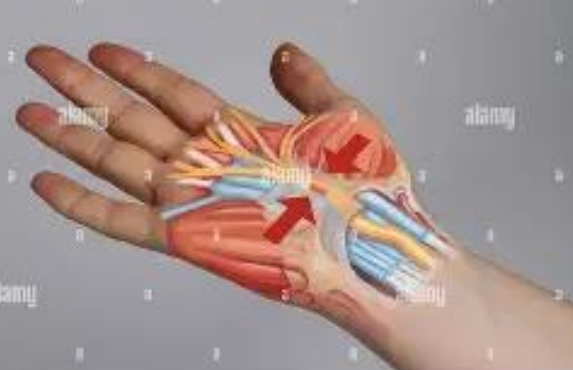
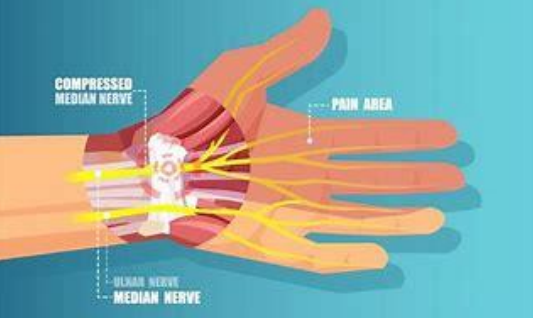
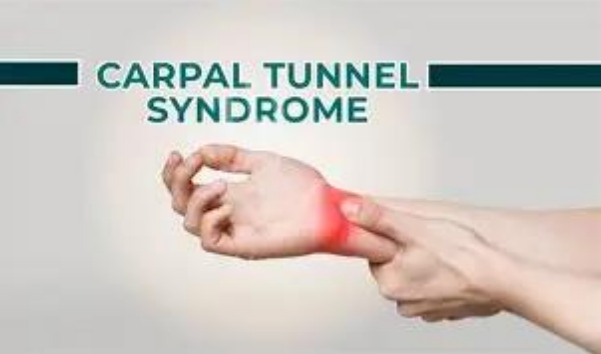
Carpal tunnel syndrome is one of the most common hand conditions. Carpal tunnel syndrome (CTS) is caused by compression of the median nerve as it passes through the carpal tunnel—a narrow passageway in the wrist formed by bones and ligaments.
⚠️ Symptoms
Tingling or numbness in the thumb, index, middle, and part of the ring finger
Pain that may extend up the arm
Weakness in the hand, especially when gripping objects
Symptoms often worsen at night or during repetitive hand use.
🧠 Causes & Risk Factors
Repetitive hand movements (e.g., typing, using tools)
Wrist injuries or fractures
Inflammatory conditions like rheumatoid arthritis
Diabetes, thyroid disorders, and obesity
Pregnancy due to fluid retention
Genetics—some people naturally have a narrower carpal tunnel
🧠 Diagnosis
Physical exam and symptom history
Nerve conduction studies or electromyography (EMG)
🛠️ Treatment Options
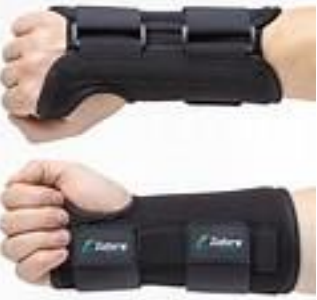
Wrist splints, especially at night
Corticosteroid injections to reduce inflammation
Surgery (carpal tunnel release) in severe cases to relieve pressure on the nerve
Tingling and Numbness
Most commonly affects the thumb, index, middle, and part of the ring finger—but not the little finger.
Feels like pins and needles or a mild electric shock.
Often worse at night or during activities like holding a phone, steering wheel, or book.
Some people wake up needing to “shake out” their hands to relieve the sensation.
Pain
Can be localized to the wrist or radiate up the arm.
May feel like a burning or aching sensation.
Activities involving wrist flexion (like typing or using tools) can intensify the pain.
Weakness
Difficulty gripping objects or performing fine motor tasks (e.g., buttoning a shirt).
May drop things more frequently due to weakened thumb muscles.
Caused by impaired function of the muscles controlled by the median nerve.
Clumsiness or Loss of Dexterity
Trouble with tasks requiring precision, like writing or using small tools.
Can feel like your hand isn’t responding as quickly or accurately as it should.
Progression Over Time
Symptoms often start mild and intermittent.
Without treatment, numbness may become constant and muscle wasting can occur at the base of the thumb. If you’re noticing any of these signs, especially if they’re interfering with sleep or daily activities, it’s worth discussing with a healthcare provider.
Conservative Management Strategies
Wrist Splinting
Wearing a neutral-position wrist splint, especially at night, helps keep the wrist from bending and reduces pressure on the median nerve.
Can also be worn during repetitive tasks to minimize strain.
Activity Modification
Avoid or reduce activities that involve repetitive wrist movements or prolonged gripping.
Take frequent breaks during tasks like typing, sewing, or using tools.
Ergonomic Adjustments
Set up your workstation to keep wrists straight and elbows at a 90° angle.
Use ergonomic keyboards and mouse pads with wrist support.
Maintain good posture to reduce overall strain.
Physical Therapy & Exercises
Gentle stretching and strengthening exercises for the wrist and hand can improve flexibility and reduce pressure.
Nerve gliding exercises may help the median nerve move more freely through the carpal tunnel.
Medications
NSAIDs (like ibuprofen) can reduce inflammation and pain.
Corticosteroid injections may be used for more severe inflammation. 🧠⚕️ Medical & Surgical Options
Carpal Tunnel Release Surgery
Recommended if symptoms persist despite conservative treatment.
Involves cutting the ligament pressing on the median nerve to relieve pressure.
Usually effective with a short recovery time.
🧠♀️ Lifestyle & Prevention Tips
Maintain a healthy weight and manage conditions like diabetes or hypothyroidism.
Avoid sleeping with wrists bent.
Use voice-to-text tools or ergonomic accessories to reduce hand strain.
Wrist Exercises for Carpal Tunnel Relief
Wrist Rotations
Hold your hands out in front of you.
Slowly rotate your wrists clockwise, then counterclockwise.
Do 10 rotations in each direction.
Prayer Stretch
Place your palms together in front of your chest (like praying).
Slowly lower your hands toward your waist while keeping your palms pressed together.
Hold for 15–30 seconds.
Repeat 2–4 times.
Wrist Flexor Stretch
Extend one arm in front of you, palm facing up.
Use your other hand to gently pull your fingers back toward the floor.
You should feel a stretch on the inside of your forearm.
Hold for 15–30 seconds, repeat 2–4 times per hand.
Wrist Extensor Stretch
Extend one arm in front of you, palm facing down.
Use your other hand to gently bend your wrist downward.
You’ll feel a stretch on the top of your forearm.
Hold for 15–30 seconds, repeat 2–4 times per hand.
Tendon Gliding Exercises These help the tendons move smoothly through the carpal tunnel:
Start with fingers straight.
Make a hook fist (bend the top two joints).
Then a full fist.
Then a straight fist (bend only the bottom joint).
Hold each position for 5 seconds and repeat the sequence 5–10 times.
Thumb Stretch
Use your opposite hand to gently pull your thumb backward.
Hold for 15 seconds.
Repeat 2–4 times.
These exercises are designed to be gentle, so if anything causes pain or worsens symptoms, ease off and consult a healthcare provider.
When Will You See Improvement?
🧠♀️ With Conservative Treatments (Splints, Exercises, Ergonomics) Initial relief: Often within 2–4 weeks of consistent use of wrist splints and daily exercises. Noticeable improvement: Typically by 6–8 weeks, especially if you’ve reduced repetitive strain and improved ergonomics. Full symptom resolution: May take several months, especially if the condition was moderate to severe.
💉 With Corticosteroid Injections Rapid relief: Many people feel better within a few days to a week. Duration: Effects can last weeks to months, but symptoms may return if underlying strain continues.
🏥 After Surgery (Carpal Tunnel Release) Light activity: Usually resumes within 1–2 weeks. Improved strength and motion: By 3–6 weeks, depending on healing and rehab. Full recovery: Can take 2–6 months, with most people seeing steady improvement over time.
Over the years, carbohydrates have gotten a bad reputation. People often associate them with weight gain, type 2 diabetes, and a variety of other health conditions. Yes, it’s true that processed foods high in sugar and refined grains typically lack important vitamins and minerals. However, many nutrient dense, fiber-rich foods can actually be very good for you. While low carb diets can be beneficial for some people, there’s no reason to avoid high carb foods altogether. Here are 12 high carb foods that are incredibly healthy.
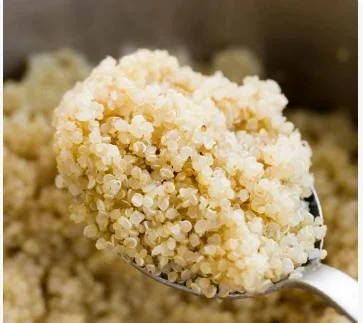
1. Quinoa Quinoa is a nutritious seed that has become incredibly popular among health-conscious consumers. It’s classified as a pseudo cereal, which is a seed that’s prepared and eaten like a grain. Cooked quinoa contains 70% carbs, making it a high carb food. However, it’s also a good source of protein and fiber . Quinoa is rich in many minerals and plant compounds and has been linked to a variety of health benefits, including improved blood sugar management and heart health . Additionally, it does not contain any gluten, which makes it a popular alternative to wheat for those on a gluten-free diet. Quinoa is also very filling since it’s relatively high in fiber and protein. For this reason, it may help promote healthy weight management and gut health . SUMMARY Quinoa is highly nutritious and may help improve blood sugar management and support heart health. Quinoa is also high in protein and fiber, so it may be useful for weight loss, as both of these nutrients can help keep you feeling full for longer.
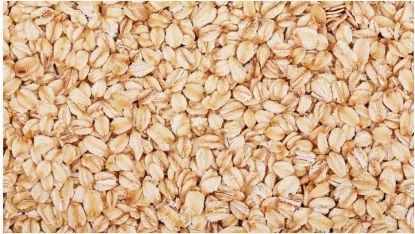
2. Oats Oats are an incredibly healthy whole grain and a great source of many vitamins, minerals, and antioxidants. Raw oats contain 70% carbs. A 1-cup (81-gram) serving contains 54 grams of carbs, including 8 grams of fiber. They are particularly high in a specific type of fiber called oat beta glucan .Oats are also a relatively good source of protein and contain more protein than most grains . Research suggests that eating oats may reduce your risk of heart disease by lowering your cholesterol levels. Eating oats may also lower blood sugar levels, especially in people with type 2 diabetes . Furthermore, oats are very filling, which could help support healthy weight management . SUMMARY Oats contain many beneficial nutrients, including fiber and protein. Studies have also shown that eating oats lowers blood sugar and cholesterol levels.
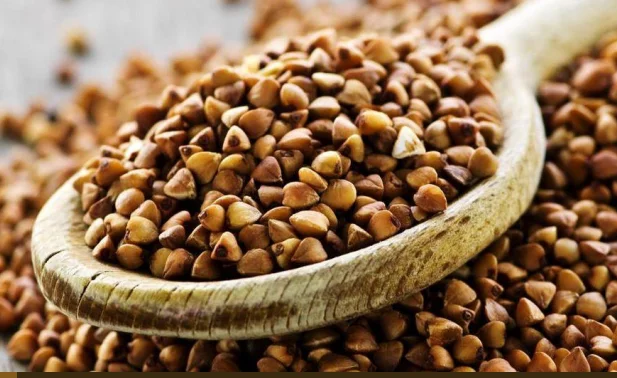
3. Buckwheat Like quinoa, buckwheat is considered a pseudo cereal. Despite its name, buckwheat is not related to wheat and does not contain gluten. Raw buckwheat contains 75 grams of carbs, while cooked buckwheat groats contain about 19.9 grams of carbs per 100-gram serving . Buckwheat is very nutritious, containing both protein and fiber. It also has more minerals and antioxidants than many other grains. Additionally, studies in humans and animals suggest that it may be particularly beneficial for heart health and blood sugar regulation . SUMMARY Buckwheat is highly nutritious and contains more antioxidants and minerals than many grains. Buckwheat isn’t related to wheat and doesn’t contain gluten. Eating it may benefit your heart health and blood sugar regulation.
4. Bananas Bananas are a popular fruit people love to use in many different recipes. One large banana (136 grams) contains about 31 grams of carbs, either in the form of starches or sugars . Bananas are also high in potassium and vitamins B6 and C, and they contain several beneficial plant compounds . Thanks to their high content of potassium, bananas may help lower blood pressure and improve heart health . Unripe, green bananas are higher in starch. This transforms into natural sugars as the bananas ripen, turning yellow in the process. Thus, you’ll tend to get more starch and less sugar if you eat your bananas when they’re less ripe . Unripe and less ripe bananas also contain decent amounts of resistant starch and pectin, both of which support digestive health and provide fuel for the beneficial bacteria in your gut . SUMMARY Bananas are high in potassium, a mineral that plays a key role in regulating blood pressure. Less ripe bananas also contain resistant starch and pectin, both of which can improve digestive health.
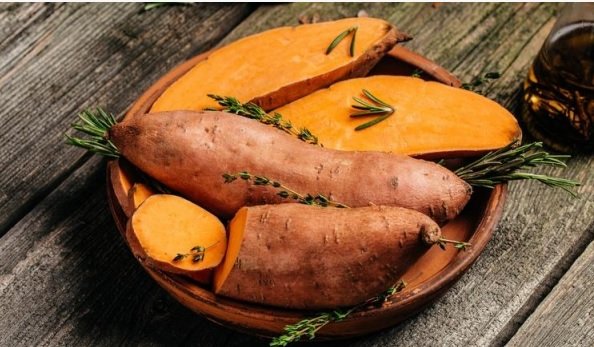
5. Sweet potatoes Sweet potatoes are a delicious, nutritious tuber or root vegetable. One-half cup (100 grams) of mashed, cooked sweet potatoes with their skin on contains about 20.7 grams of carbs, which consists of starch, sugar, and fiber . Sweet potatoes are also a rich source of vitamin A, vitamin C, and potassium . What’s more, they’re packed with antioxidants, which are compounds that help neutralize harmful free radicals in your cells to protect you against chronic disease . SUMMARY Sweet potatoes are an excellent source of vitamin A, along with several other vitamins, minerals, and antioxidants.
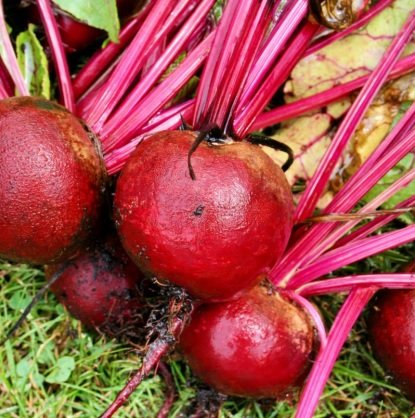
6. Beets Beets are a purple root vegetable that people sometimes refer to as beetroots. While they aren’t considered high in carbs overall, they do have a lot for a non-starchy vegetable. Raw and cooked beets contain about 10 grams of carbs per 100 grams, mainly from sugar and fiber .They’re also packed with vitamins and minerals, along with powerful antioxidants and plant compounds . Beets are also high in inorganic nitrates, which are converted into nitric oxide in your body. Nitric oxide lowers blood pressure and may decrease the risk of several diseases . Beet juice is also very high in nitrates, and athletes sometimes use it to enhance their physical performance .That’s because nitric oxide relaxes your blood vessels, allowing oxygen to flow more efficiently during exercise. SUMMARY Beets are loaded with vitamins, minerals, and plant compounds. They also contain high amounts of inorganic nitrates, which can improve heart health and boost physical performance.
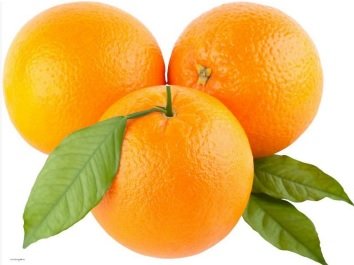
7. Oranges Oranges are a popular type of citrus fruit. They’re mainly composed of water and made up of about 15.5 grams of carbs per 100-gram serving. Oranges are also a good source of fiber . Oranges are especially rich in vitamin C, potassium, and some B vitamins. In addition, they contain citric acid, as well as several potent plant compounds and antioxidants . Eating oranges may improve heart health and help prevent kidney stones. They may also increase the absorption of iron from other foods you eat, which may help protect against iron deficiency anemia . SUMMARY Oranges are a good source of fiber. They also contain high amounts of vitamin C and other healthy plant compounds. Eating oranges may benefit heart health and increase iron absorption to help prevent anemia.
8. Blueberries frequently marketed as a superfood due to their rich content of antioxidants. They consist mostly of water, as well as about 14.5 grams of carbs per 100 grams . Blueberries also contain high amounts of many vitamins and minerals, including vitamin C, vitamin K, and manganese . Studies have shown that blueberries are a good source of antioxidant compounds, which can help protect your body against damaging free radicals. Studies suggest that eating blueberries may even improve memory in older adults . SUMMARY Blueberries are very healthy. They contain many vitamins, minerals, and antioxidants, and they can help protect against oxidative damage.
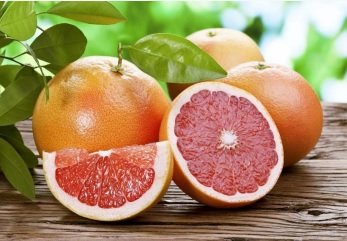
9. Grapefruit Grapefruit is a citrus fruit with a sweet, sour, and bitter flavor. It contains about 8% carbs and is rich in a variety of vitamins, minerals, and antioxidants . According to some human and animal studies, grapefruit could enhance heart health and improve blood sugar management . Furthermore, other research suggests that certain compounds found in grapefruit could help prevent kidney stones, lower cholesterol levels, and even potentially slow the growth and spread of cancer cells . However, scientists need to do more studies on the effects of grapefruit in humans. SUMMARY Grapefruit contains many beneficial vitamins, minerals, and antioxidants. It may provide numerous health benefits.
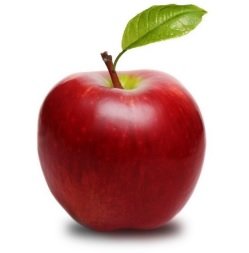
10. Apples Apples are well known for their sweet, tart flavor and crisp texture. They’re available in many colors, sizes, and flavors, all of which generally contain about 14–16 grams of carbs per 100 grams . Apples also boast many vitamins and minerals, but usually only in small amounts. However, they are a good source of vitamin C, antioxidants, and fiber . Apples may also offer several health benefits, including improved blood sugar management and heart health .Early research suggests that adding apples to your diet may even be associated with a reduced risk of certain types of cancer. However, more research is needed . SUMMARY Apples contain a decent amount of vitamin C, antioxidants, and plant compounds. Eating apples may improve blood sugar management, as well as reduce the risk of heart disease and potentially even certain types of cancer.
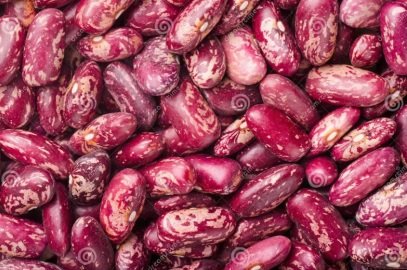
11. Kidney beans Kidney beans are a member of the legume family and a variety of the common bean. Cooked kidney beans contain about 21.5 grams of carbs per 100 grams, in the form of starches and fiber. This legume is also high in protein . Kidney beans are a good source of many vitamins, minerals, and plant compounds. They’re also rich in antioxidant compounds, including anthocyanins and isoflavones . Their numerous health benefits include improved blood sugar regulation and a reduced risk of colon cancer . SUMMARY Kidney beans contain many vitamins, minerals, and antioxidants. Cooked kidney beans are also a good source of protein and have been linked to several health benefits.
12. Chickpeas Also known as garbanzo beans, chickpeas are part of the legume family. Cooked chickpeas contain 27.4 grams of carbs per 100-gram serving, along with almost 8 grams of fiber. They’re also a good source of plant-based protein. Chickpeas contain many vitamins and minerals, including iron, phosphorus, and B vitamins . Not only have chickpeas been linked to improved heart and digestive health, but some test-tube studies suggest they may also help protect against certain types of cancer. More research in humans is needed, however . SUMMARY Chickpeas are an excellent source of plant-based protein and contain many vitamins and minerals. Eating chickpeas has been linked to benefits for heart and digestive health, as well as potential cancer prevention.
The bottom line It’s a myth that all carbs are unhealthy. In fact, many of the healthiest foods are high in carbohydrates. That said, you shouldn’t eat carbs in large amounts if you’re on a low carb diet. In addition, refined carbs, such as white bread and pasta, may be unhealthy in high amounts. However, you can enjoy these nutritious, delicious carbs as part of a healthy, whole-foods diet.
References : www.healthline.com/nutrition Medically reviewed by Sade Meeks, MS, RD — Written by Add a Bjarnadottir, MS, RDN (Ice) and Rachael Ajmera, MS, RD — Updated on November 1, 2021
High blood pressure, or hypertension, is the most common preventable risk factor for heart disease, affecting over 1 billion people globally. It’s defined as having a systolic blood pressure (SBP) of 130 mm Hg or higher, a diastolic blood pressure (DBP) above 80 mm Hg, or both. Lifestyle changes, including dietary adjustments, can help lower blood pressure and reduce heart disease risk. Medications like ACE inhibitors are often prescribed for this purpose. Incorporating certain nutrient-rich foods, particularly those high in potassium and magnesium, may also help control blood pressure.
Citrus Fruits Loaded with essential vitamins, minerals, and plant compounds, citrus fruits like grapefruit, oranges, and lemons can help maintain heart health. A 2021 study found that consuming 530-600 grams of fruit daily (about four oranges) benefits blood pressure. However, grapefruit can interact with certain medications, so consult your doctor before adding it to your diet.
Salmon and Fatty Fish Fatty fish are rich in omega-3 fatty acids, known to reduce inflammation and blood pressure. A 2022 review of 71 studies indicated that consuming 2-3 grams of omega-3s daily (about 3.5 ounces of salmon) can significantly lower blood pressure. Higher omega-3 intake also benefits young adults without heart disease or diabetes history.
Leafy Greens Leafy greens like Swiss chard and spinach provide potassium and magnesium, essential for blood pressure regulation. For example, one cup of cooked Swiss chard offers about 20% and 36% of daily potassium and magnesium needs, respectively. Studies show that higher potassium intake can lower blood pressure, especially when dietary sodium is high.
Nuts and Seeds Nuts and seeds, such as pumpkin seeds, flaxseed, chia seeds, pistachios, walnuts, and almonds, are nutrient-dense sources of fiber and arginine. These nutrients support blood vessel relaxation and help reduce blood pressure. However, evidence from clinical studies remains mixed, and longer-term research is needed.
Legumes Rich in magnesium and potassium, legumes like lentils, beans, and peas have shown potential for lowering blood pressure in observational studies. However, a 2023 review of clinical trials found no consistent link, suggesting more extensive and longer studies are needed.
Berries Berries, such as blueberries, raspberries, and cranberries, are rich in antioxidants like anthocyanins, which improve blood flow and reduce blood pressure. A 2020 review found that berry consumption lowered SBP by more than 3 mm Hg, with cranberry juice showing the most substantial effect.
Amaranth Whole grains, including amaranth, may lower blood pressure. A 38-gram daily increase in whole grains can reduce the risk of hypertension by 8%. Amaranth is particularly rich in magnesium, providing 38% of daily needs in one cooked cup.
Olive Oil Olive oil contains heart-healthy compounds like oleic acid and polyphenols. A 2020 review confirmed its role in reducing blood pressure and other heart disease risk factors.
Carrots Carrots are rich in plant compounds that help regulate blood pressure. A 2023 study found a 10% lower hypertension risk for every 100 grams (about 1 cup) consumed daily.
Eggs Eggs are nutrient-dense and linked to better blood pressure management. A 2023 study found that eating five or more eggs per week was associated with lower SBP and a reduced long-term risk of hypertension.
Tomatoes Tomatoes and tomato products contain potassium and lycopene, which support heart health. Some studies show a link between tomato consumption and lower blood pressure, but results are inconsistent.
Broccoli Rich in flavonoid antioxidants, broccoli may help lower blood pressure by improving blood vessel function. Studies suggest that consuming broccoli four times a week reduces hypertension risk.
Yogurt Packed with potassium and calcium, yogurt supports blood pressure regulation. A review linked three daily servings of dairy with a 13% lower risk of hypertension. Daily yogurt consumption may reduce SBP in people with high blood pressure.
Herbs and Spices Herbs and spices like garlic, cilantro, and saffron may help lower blood pressure by relaxing blood vessels. A 2021 study found that daily intake of a spice blend reduced blood pressure after four weeks.
Potatoes Potatoes are high in potassium, which helps manage blood pressure. A medium baked potato provides 20% of the daily potassium requirement. Studies show that potassium-rich diets, including potatoes, lower SBP.
Kiwifruit Kiwis are rich in vitamin C and other nutrients involved in blood pressure control. In a 2022 study, eating two kiwis daily for seven weeks reduced SBP by 2.7 mm Hg. More research is needed to confirm these findings.
Lean Meats Lean meats like skinless chicken, beef sirloin, and pork tenderloin provide high-quality protein. Research suggests that varying protein sources, including lean meats, can reduce hypertension risk when part of a balanced diet.
References:
Rd, J. K. M. (2023, June 20). The 17 best foods for high blood Pressure. Healthline. https://www.healthline.com/nutrition/foods-high-blood-pressure#citrus
Asthma is a long-term lung disease, that inflames and narrows the airways. Asthma causes chest tightness, shortness of breath, coughing, and wheezing.
Caring for patients with respiratory problems is a challenge for the nurse, especially since there are many needs that the nurse must prioritize. Patients with asthma are part of the group of patients in which the nurse must ensure that in addition to meeting the patient’s needs for air and efficient gas exchange, there is a need to meet the physiological and psychological needs of society. However, before prioritizing which nursing problem the patient should address first, the nurse should be familiar with the course of the disease and how it affects the patient in general.
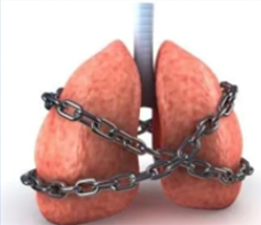
Asthma or bronchial asthma is a chronic airway disease that is usually caused by an allergic reaction to a stimulus. This response leads to inflammation of the airways, bronchoconstriction, and the production of strong, thick sputum. All of this indicates that the airway is narrowing, causing wheezing to be heard among asthma patients. Patients also experience shortness of breath, unproductive cough, opening of the nostrils, and intolerance to activity.
Because asthma is a stressful and / or inflammatory reaction to a stimulus, seizures are usually accompanied by stimuli such as extreme temperatures (extreme heat or extreme cold), sudden changes in temperature, dust, pollen, smoke, exercise, emotions, Or pressure. In some cases, seizures can begin when patients are diagnosed with another type of respiratory illness or experience complications from other illnesses. The symptoms are almost always the same, regardless of the stimuli.
Manage Asthma attacks
A medication regimen is usually prescribed when the disease worsens. The type of medication given to patients depends on the symptoms presented, the priority of care, and the age of the individual. These are also compared to the results of other tests performed on the patient.
Due to the chronic nature of the disease, patients with asthma are also provided with health education to help them take responsibility for their condition and reduce the risk of exacerbation. Common non-pharmacological interventions such as deep breathing and coughing exercises, relaxation and meditation therapy, and ensuring that the patient receives proper nutrition should also be considered. In addition, allowing the patient to know exactly what triggers their seizures helps them to avoid these seizures and reduce the incidence of asthma.
Asthma Nursing Care Program
Patients with asthma mainly suffer from respiratory symptoms and the nurse should eliminate these symptoms as soon as they are identified. Nursing diagnoses for patients with asthma focus primarily on airway clearance, breathing patterns, and gas exchange, but also include other issues related to endurance, anxiety, and even nutritional status. This section presents some of the most common nursing diagnoses and their care plans to help better care for patients with asthma. The following nursing diagnoses are more common among patients with asthma:
• Inefficient airway clearance
Dysfunctional breathing patterns
• Disruption of gas exchange
• Intolerance of activity
• Anxiety
• Lack of knowledge
• Risk for / nutritional imbalance: more / less than the body needs
Ineffective airway clearance
Ineffective airway clearance related to (indicate one or more of the following related factors: airway spasm, production of thick tenacious sputum, retention of sputum, etc.) secondary to the diagnosis of asthma as evidenced by (include assessment findings specific to which particular symptoms the patient is manifesting such as:
Wheezes and rhonchi heard upon auscultation
Coughing (indicate whether productive or unproductive)
Dyspnea
Orthopnea
Changes in rate, depth, and rhythm of respiration
Desired Outcomes
After nursing interventions, the patient is expected to:
Exhibit easy, effortless breathing
Decreased severity and incidence of wheezing
Increased airway patency
Ineffective/impaired breathing patterns
Ineffective/impaired breathing patterns related to (indicate one or more of the following related factors: spasms of the bronchial tubes, swelling of the bronchial tubes, irritating biological agents, etc.) secondary to diagnosis of asthma as evidenced by (include assessment findings specific to which particular symptoms the patient is manifesting such as:
Patient complaints of dyspnea, primarily upon exertion
Coughing (indicate whether productive or unproductive)
Flaring of the nares
Changes in respiratory rate, depth and rhythm
Use of accessory muscles in respiration
Desired Outcomes
After nursing interventions, the patient is expected to:
Exhibit easy, effortless breathing
Improved breathing pattern
Reports of the absence of dyspnea
Activity Intolerance
Activity intolerance related to insufficient physiologic energy secondary to diagnosis of asthma as evidenced by (include assessment findings specific to which particular symptoms the patient is manifesting such as:
Patient verbalization of weakness and shortness of breath
Hesitation in engaging in physical activities
Alterations in vital signs: increased heart rate, respiration, and blood pressure
Dyspnea upon exertion
Changes in ECG readings
Desired Outcomes
After nursing interventions, the patient is expected to:
Exhibit easy, effortless breathing
Display willingness to perform activities of daily living
Increased activity tolerance
Software Demo
We appreciate your support of your employees, and we believe that we can provide you with services helping you reach your goal, which is providing a better work environment for your employees.
Please fill out the below form and our product specialist will schedule a demo session with you presenting MendMe platform and capabilities.
Request for a Demo
Send us a request for a demo of our software and we will schedule a session with you to introduce our platform’s services and capabilities.