
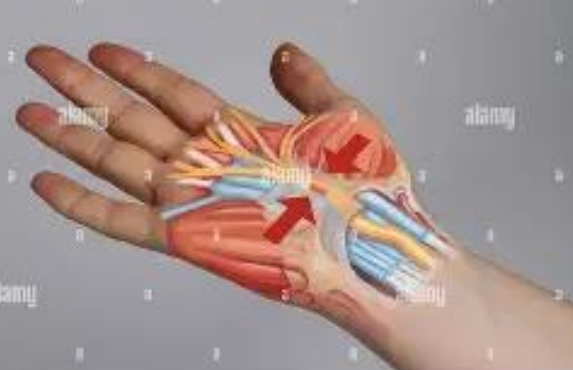
Carpal tunnel syndrome is one of the most common hand
conditions.
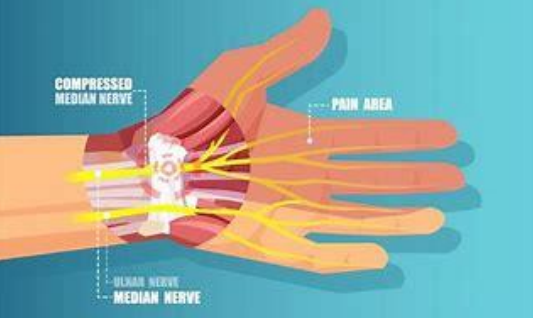
Carpal tunnel syndrome (CTS) is caused by compression of the median
nerve as it passes through the carpal tunnel—a narrow passageway in
the wrist formed by bones and ligaments.
⚠️ Symptoms
- Tingling or numbness in the thumb, index, middle, and part of the
ring finger - Pain that may extend up the arm
- Weakness in the hand, especially when gripping objects
- Symptoms often worsen at night or during repetitive hand use.
🧠 Causes & Risk Factors- Repetitive hand movements (e.g., typing, using tools)
- Wrist injuries or fractures
- Inflammatory conditions like rheumatoid arthritis
- Diabetes, thyroid disorders, and obesity
- Pregnancy due to fluid retention
- Genetics—some people naturally have a narrower carpal tunnel
🧠 Diagnosis- Physical exam and symptom history
- Nerve conduction studies or electromyography (EMG)
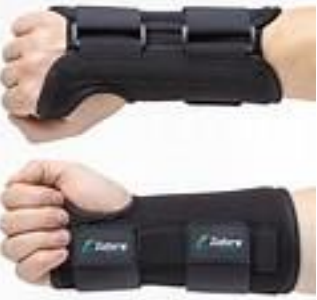
🛠️ Treatment Options- Wrist splints, especially at night
- Corticosteroid injections to reduce inflammation
- Surgery (carpal tunnel release) in severe cases to relieve pressure
on the nerve
- Tingling and Numbness
- Most commonly affects the thumb, index, middle, and part of the
ring finger—but not the little finger. - Feels like pins and needles or a mild electric shock.
- Often worse at night or during activities like holding a phone,
steering wheel, or book. - Some people wake up needing to “shake out” their hands to
relieve the sensation.
- Pain
- Can be localized to the wrist or radiate up the arm.
- May feel like a burning or aching sensation.
- Activities involving wrist flexion (like typing or using tools) can
intensify the pain.
- Weakness
- Difficulty gripping objects or performing fine motor tasks (e.g.,
buttoning a shirt). - May drop things more frequently due to weakened thumb
muscles. - Caused by impaired function of the muscles controlled by the
median nerve.
- Clumsiness or Loss of Dexterity
- Trouble with tasks requiring precision, like writing or using small
tools. - Can feel like your hand isn’t responding as quickly or accurately as
it should.
- Progression Over Time
- Symptoms often start mild and intermittent.
- Without treatment, numbness may become constant and muscle
wasting can occur at the base of the thumb.
If you’re noticing any of these signs, especially if they’re interfering with
sleep or daily activities, it’s worth discussing with a healthcare provider.
Conservative Management Strategies

- Wrist Splinting
- Wearing a neutral-position wrist splint, especially at night, helps
keep the wrist from bending and reduces pressure on the median
nerve. - Can also be worn during repetitive tasks to minimize strain.
- Activity Modification
- Avoid or reduce activities that involve repetitive wrist movements
or prolonged gripping. - Take frequent breaks during tasks like typing, sewing, or using
tools.
- Ergonomic Adjustments
- Set up your workstation to keep wrists straight and elbows at a
90° angle. - Use ergonomic keyboards and mouse pads with wrist support.
- Maintain good posture to reduce overall strain.
- Physical Therapy & Exercises
- Gentle stretching and strengthening exercises for the wrist and
hand can improve flexibility and reduce pressure. - Nerve gliding exercises may help the median nerve move more
freely through the carpal tunnel.
- Medications
- NSAIDs (like ibuprofen) can reduce inflammation and pain.
- Corticosteroid injections may be used for more severe
inflammation.
🧠⚕️ Medical & Surgical Options
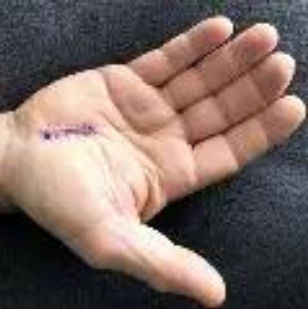
- Carpal Tunnel Release Surgery
- Recommended if symptoms persist despite conservative
treatment. - Involves cutting the ligament pressing on the median nerve to
relieve pressure. - Usually effective with a short recovery time.
-
-
🧠♀️ Lifestyle & Prevention Tips
-
- Maintain a healthy weight and manage conditions like diabetes or
hypothyroidism. - Avoid sleeping with wrists bent.
- Use voice-to-text tools or ergonomic accessories to reduce hand
strain.
Wrist Exercises for Carpal Tunnel Relief
- Wrist Rotations
- Hold your hands out in front of you.
- Slowly rotate your wrists clockwise, then counterclockwise.
- Do 10 rotations in each direction.
- Prayer Stretch
- Place your palms together in front of your chest (like praying).
- Slowly lower your hands toward your waist while keeping your
palms pressed together. - Hold for 15–30 seconds.
- Repeat 2–4 times.
- Wrist Flexor Stretch
- Extend one arm in front of you, palm facing up.
- Use your other hand to gently pull your fingers back toward the
floor. - You should feel a stretch on the inside of your forearm.
- Hold for 15–30 seconds, repeat 2–4 times per hand.
- Wrist Extensor Stretch
- Extend one arm in front of you, palm facing down.
- Use your other hand to gently bend your wrist downward.
- You’ll feel a stretch on the top of your forearm.
- Hold for 15–30 seconds, repeat 2–4 times per hand.
- Tendon Gliding Exercises
These help the tendons move smoothly through the carpal tunnel:
- Start with fingers straight.
- Make a hook fist (bend the top two joints).
- Then a full fist.
- Then a straight fist (bend only the bottom joint).
- Hold each position for 5 seconds and repeat the sequence 5–10
times.
- Thumb Stretch
- Use your opposite hand to gently pull your thumb backward.
- Hold for 15 seconds.
- Repeat 2–4 times.

- These exercises are designed to be gentle, so if anything causes pain or
worsens symptoms, ease off and consult a healthcare provider.
When Will You See Improvement?
🧠♀️ With Conservative Treatments (Splints, Exercises, Ergonomics)
Initial relief: Often within 2–4 weeks of consistent use of wrist
splints and daily exercises.
Noticeable improvement: Typically by 6–8 weeks, especially if
you’ve reduced repetitive strain and improved ergonomics.
Full symptom resolution: May take several months, especially if
the condition was moderate to severe.
💉 With Corticosteroid Injections
Rapid relief: Many people feel better within a few days to a
week.
Duration: Effects can last weeks to months, but symptoms may
return if underlying strain continues.
🏥 After Surgery (Carpal Tunnel Release)
Light activity: Usually resumes within 1–2 weeks.
Improved strength and motion: By 3–6 weeks, depending on
healing and rehab.
Full recovery: Can take 2–6 months, with most people seeing
steady improvement over time.
Refrences:
www.mayoclinic.org
www.webmd.com
www.healthline.com
www.niams.nih.gov
www.verywelhealth.com